Leave Your Message
- Phone
- E-mail
- Whatsapp
- Whatsapp

Hey, have you noticed how the world’s really shifting towards more sustainable energy options lately? It’s pretty exciting, especially when you think about things like Solar Pump Inverters — these tech innovations are really making a difference in boosting energy efficiency. I read somewhere that the global market for solar pumps is expected to grow by around 34.3%annually from 2021 to 2026. That’s mainly because people are looking for more efficient, eco-friendly ways to irrigate their farms. It’s pretty clear that advanced Solar Inverter tech is key here — it not only helps farms cut down on energy waste but also integrates renewable energy sources into agriculture much more seamlessly.

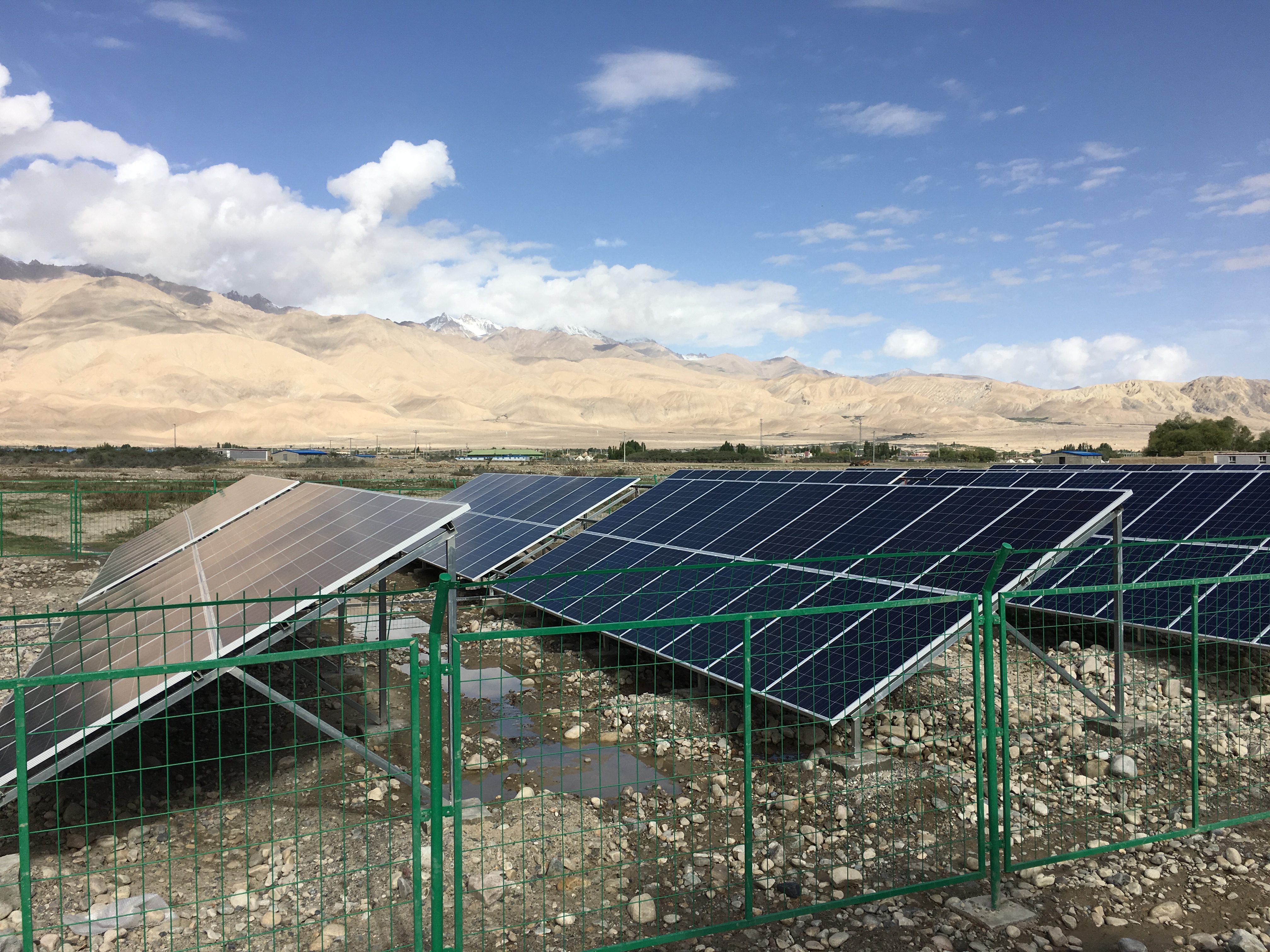
You know, solar pump inverter tech is really a game-changer when it comes to boosting energy efficiency, especially in farming and irrigation. Basically, it turns sunlight into electricity to run water pumps, which means farmers don’t have to rely so much on fossil fuels anymore—and that’s a big win for cutting costs. I read somewhere that according to IRENA, using solar for irrigation can slash energy bills by up to 30% compared to running on diesel. Not only does this make farming more sustainable, but it also helps farmers get a more reliable water supply, which is super important.
And it’s not just about saving money — going solar is good for the environment too. The World Bank reports that switching to solar water pumps can cut greenhouse gases by about 1.5 tons of CO2 per unit of energy, compared to the old-school pumps. Plus, modern inverters are pretty smart—they can adjust water flow depending on how much sunlight is available, making the whole process more efficient and flexible. This kind of technology really helps farmers get the most out of their resources while reducing their carbon footprint, paving the way for a greener, more sustainable agriculture future.
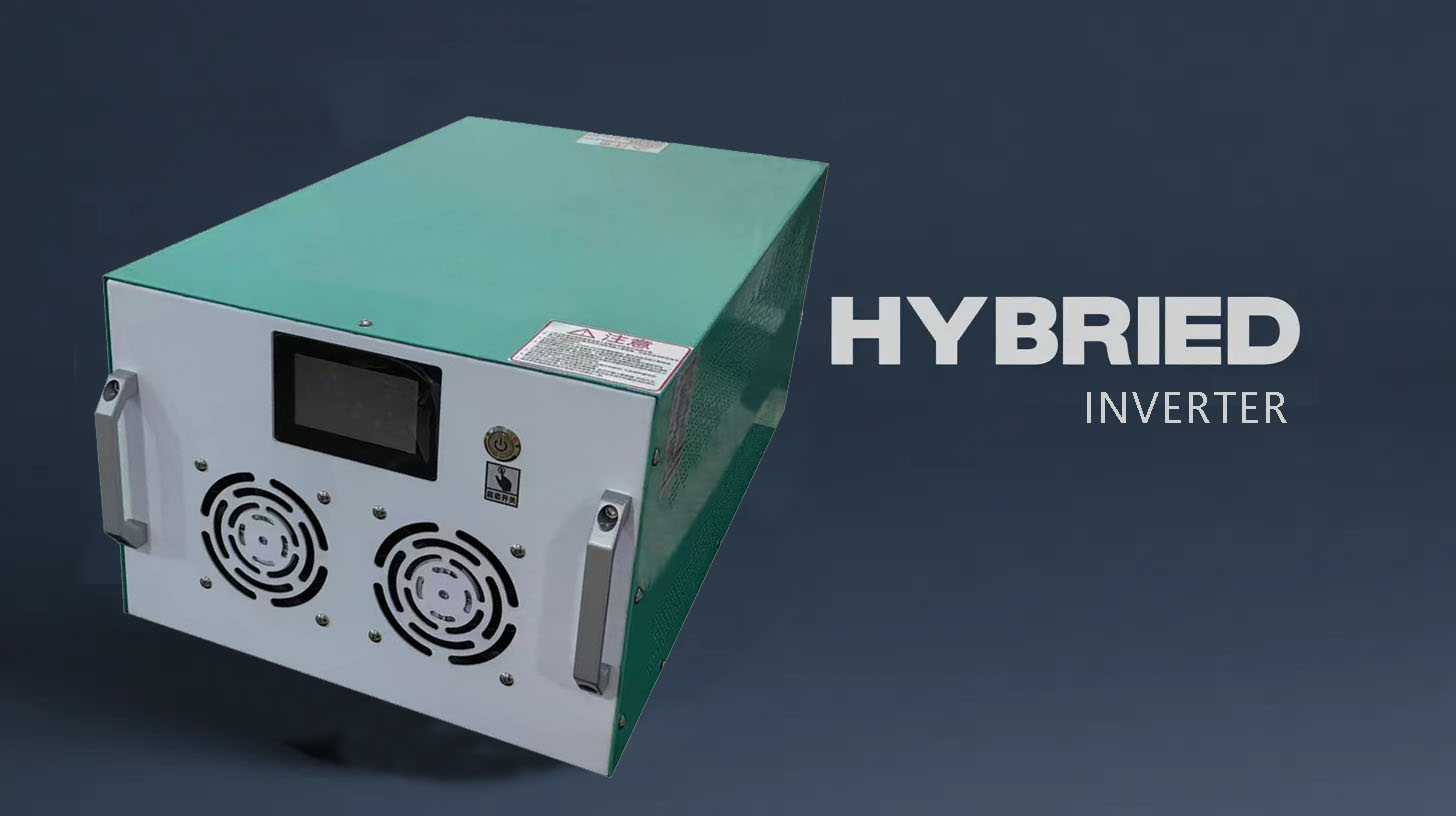
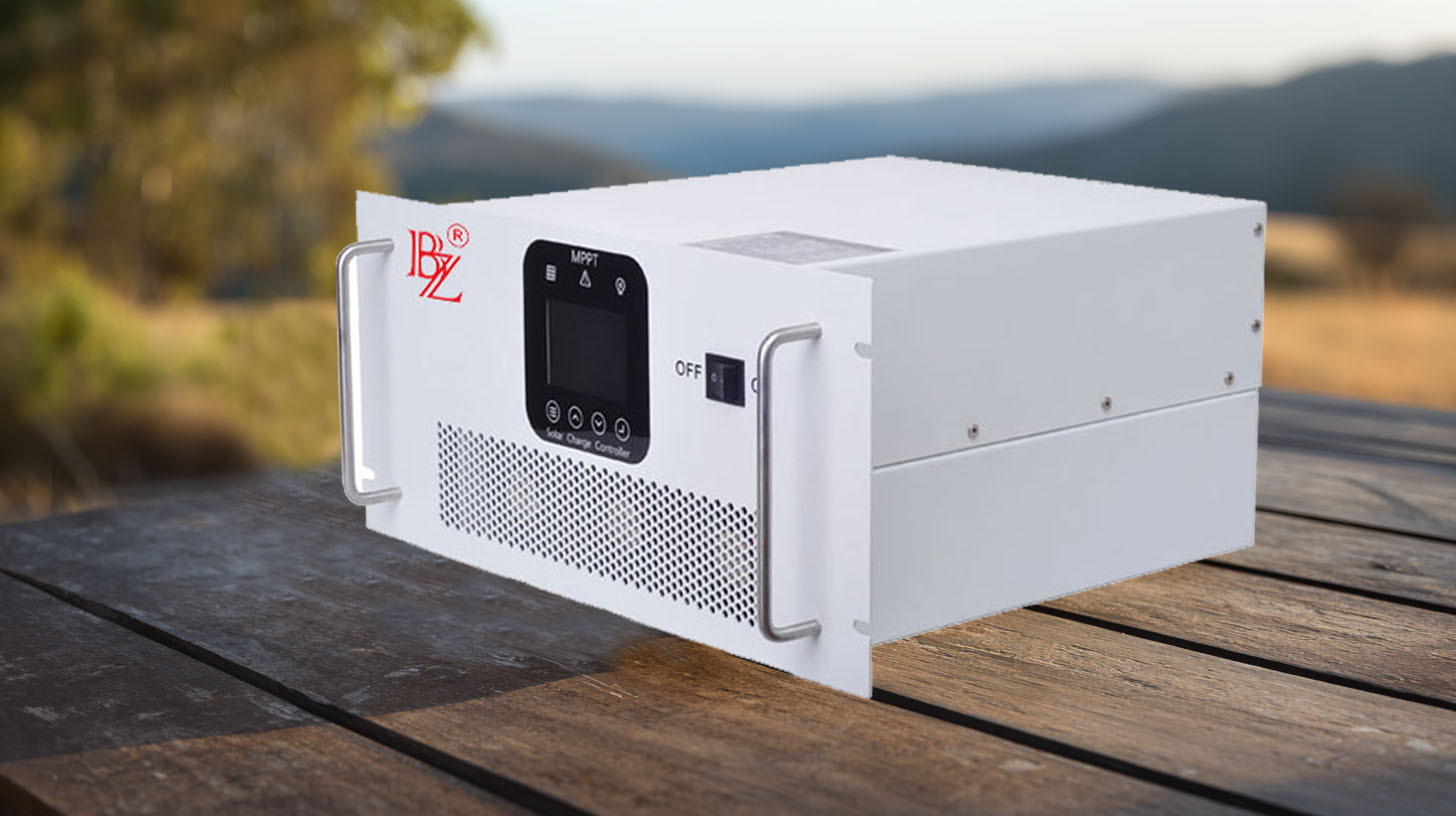
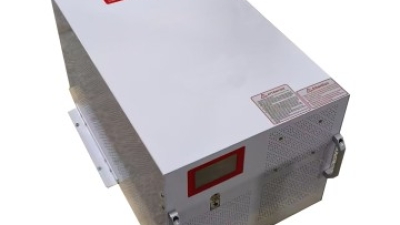
The rapid development of technology necessitates power solutions that not only meet high demand but also ensure stability and reliability. The 10KW 48VDC/220VAC rack-mounted isolation-type inverter stands out in this context, offering a sophisticated approach to power management. Its stable output plays a crucial role in sensitive environments where power fluctuations could disrupt operations. This inverter is particularly suited for applications that require stringent power quality, such as data centers, telecommunications, and industrial automation, where uninterrupted power supply is essential.
One of the key advantages of the rack-mounted design is its strong anti-interference capability, which protects connected equipment from voltage spikes and electromagnetic interference. This feature is integral for maintaining the longevity and performance of sensitive devices. Additionally, the inverter's excellent load-bearing capacity ensures it can support a wide range of applications, from small-scale operations to larger setups requiring more substantial power distribution. The rack-mount installation not only optimizes the use of space but also allows for easier maintenance and scalability, making it an ideal choice for industries that prioritize efficiency and reliability in their power solutions.
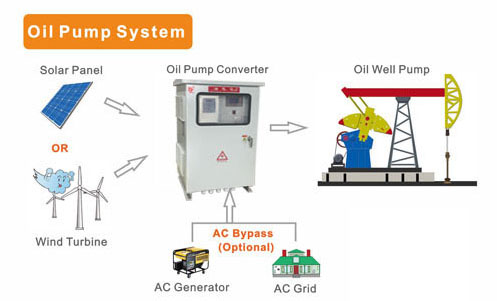
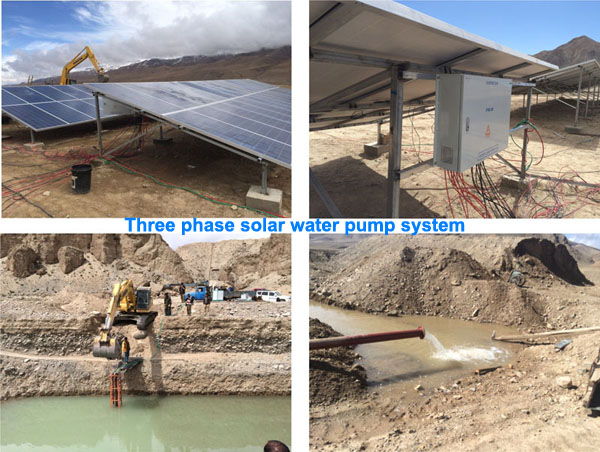
: Solar pump inverter technology converts solar energy into electrical power for water pumps, providing a sustainable alternative to traditional fossil fuel-powered systems.
Solar irrigation systems can save up to 30% on energy expenditures compared to diesel-powered alternatives, reducing overall operational costs for farmers.
Adopting solar water pumping can decrease greenhouse gas emissions by around 1.5 tons of CO2 per unit of energy produced compared to traditional pumps, promoting environmental sustainability.
Modern solar pump inverters optimize water flow based on solar energy availability, allowing farmers to maximize output while minimizing their carbon footprint.
Regularly clean the inverter to remove dust, inspect wiring for wear or corrosion, monitor system performance, and update the inverter's firmware to enhance efficiency and longevity.
Monitoring performance helps identify fluctuations or drops in output, which may indicate that the inverter needs servicing or has potential issues.
Accumulated dirt can obstruct airflow, leading to overheating and reduced efficiency, making regular cleaning essential for optimal performance.
Significant performance fluctuations may require professional servicing or further investigation to address potential issues with the inverter.
Maintenance should be performed regularly, keeping an eye on the cleanliness, performance, and condition of components to ensure long-term efficiency and durability.
Regularly updating the inverter's firmware can enhance its efficiency and prolong its lifespan, ensuring optimal performance over time.
Today, when we're all trying to be a bit more energy-conscious, Solar Pump Inverter technology really stands out as an exciting breakthrough. If you get how these systems work and the perks they bring, you can make the most of renewable energy to power your irrigation or water needs — it's pretty cool. Features like variable speed control and high efficiency are super important when you're choosing the right inverter; they help you get the best performance and save energy in the long run.
Of course, just having the right equipment isn’t enough — proper installation, along with the right sizing and setup, really makes a difference in how much energy you actually generate. And don’t forget, regular maintenance is key to keeping your Solar Pump Inverters running smoothly and efficiently.
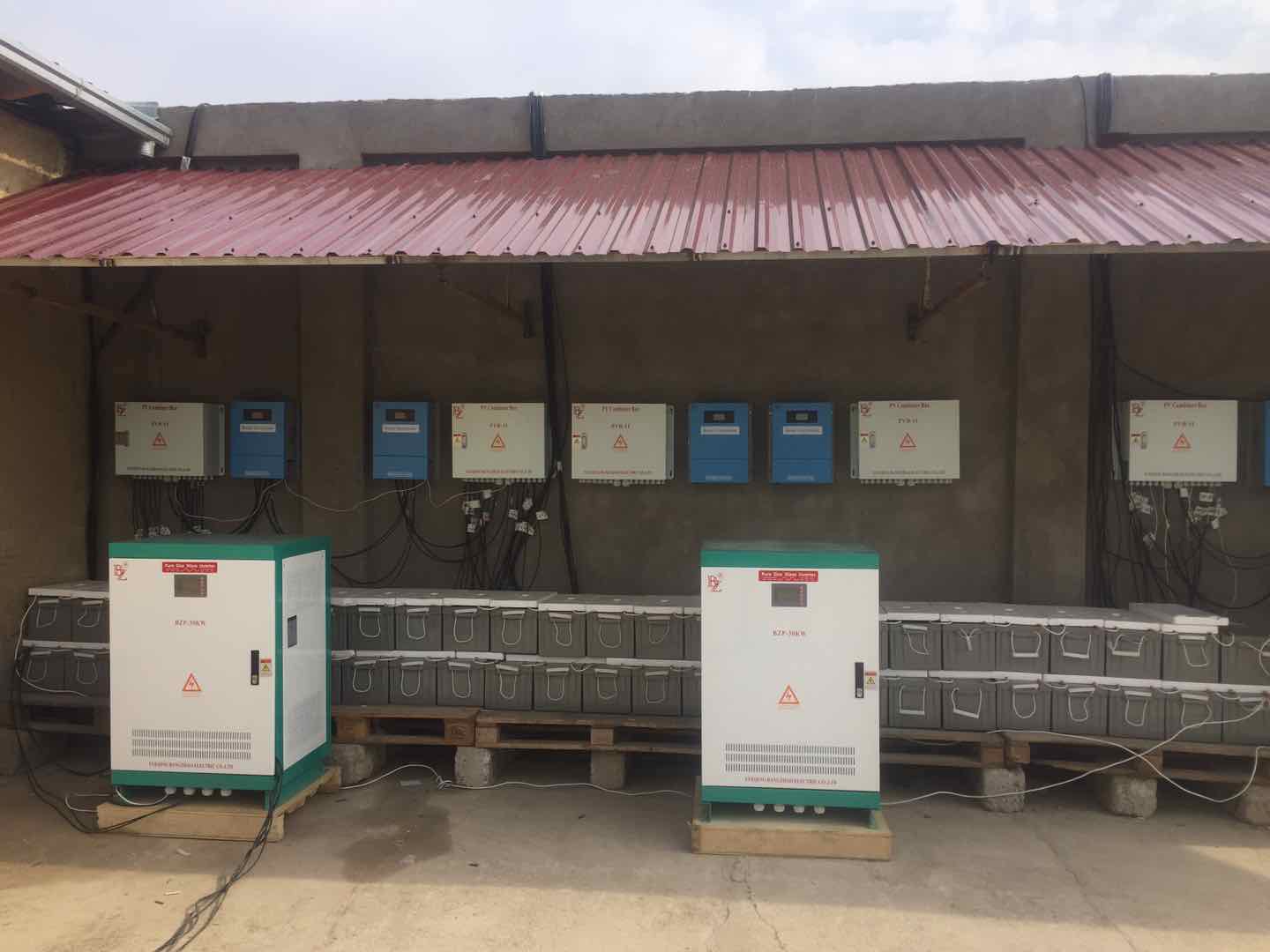
Companies like Bangzhao Electric Co., Ltd. really lead the way here, offering top-notch solutions that include solar pump inverters to help improve energy storage and management for all sorts of needs. Embracing these kinds of tech isn’t just good for the planet — it can also be a smart, cost-effective choice for your energy bills. Overall, it’s an exciting shift towards smarter, greener energy use that everyone can get behind.